
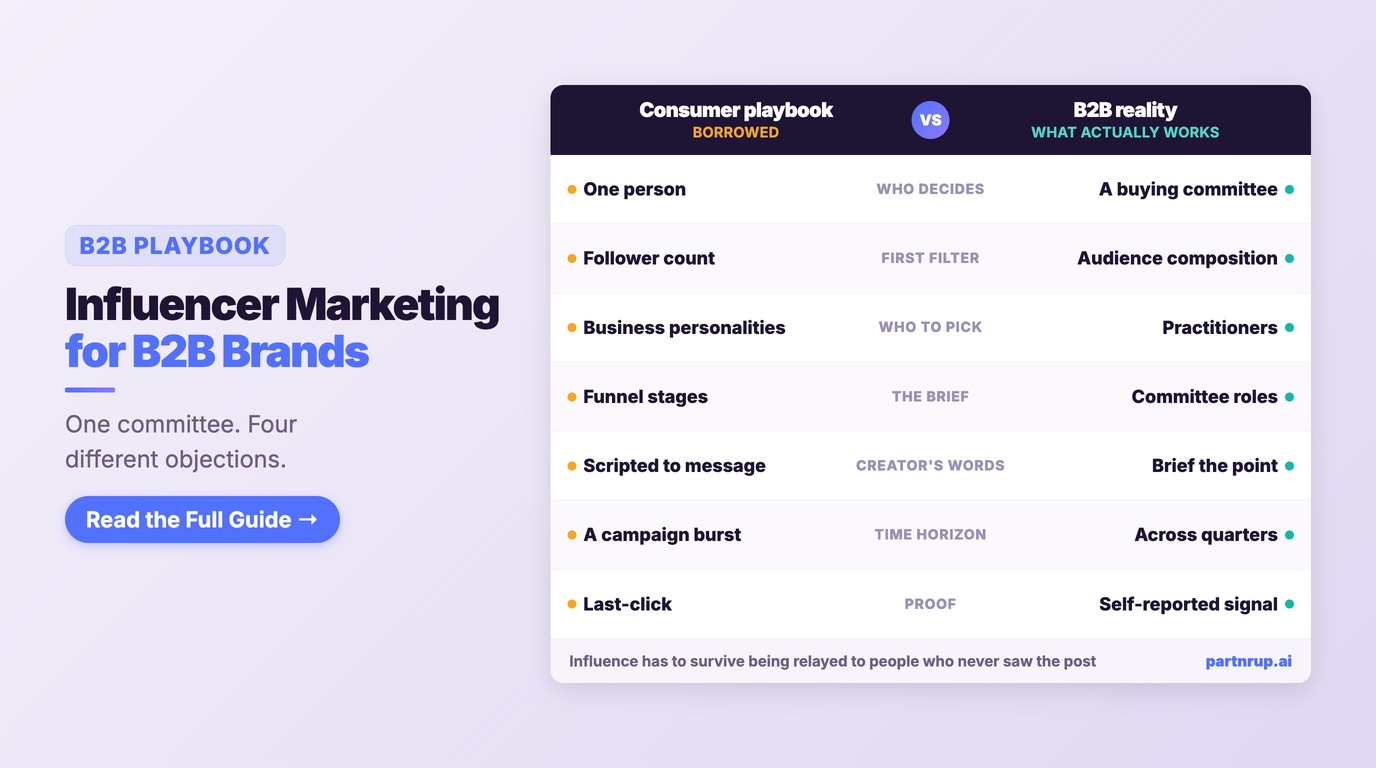




Most B2B influencer programs are built by borrowing a consumer playbook and swapping the product. Find creators with audience, pay for posts, count the engagement. It works well enough to produce activity and badly enough that nobody can say what it did for pipeline.
The structural problem is that a B2B purchase is not a decision one person makes after seeing a post. It is a committee decision with a procurement step, a security review, and a budget holder who never followed your creator in the first place. Influence has to survive being relayed from the person who saw the content to the people who approve the spend.
That changes what to measure, who to work with, and which platform mechanics matter. It also means some of the most widely repeated LinkedIn tactical advice is describing features that no longer exist.
Start With What LinkedIn Actually Supports Today
A large share of B2B influencer advice still tells you to have creators "turn on Creator Mode" and set profile hashtags. Both instructions are dead, and LinkedIn documented their removal.
Per LinkedIn's own help page on the change, the Creator Mode on/off toggle in the Resources section of the profile was removed in March 2024, and profile hashtags were removed beginning in February 2024. LinkedIn's framing is that the underlying sharing tools and analytics remain available — what disappeared was the switch and the profile topic tags. The practical consequence: there is no longer a "mode" to enable as a program prerequisite, and a brief that lists it as step one signals the playbook was not revisited in two years.
What replaced it as the mechanic worth understanding is sponsorship of member posts. LinkedIn calls these Thought Leader Ads, and the permission flow has specific requirements that determine whether your program can run at all.
The Consent Flow Is the Real Constraint
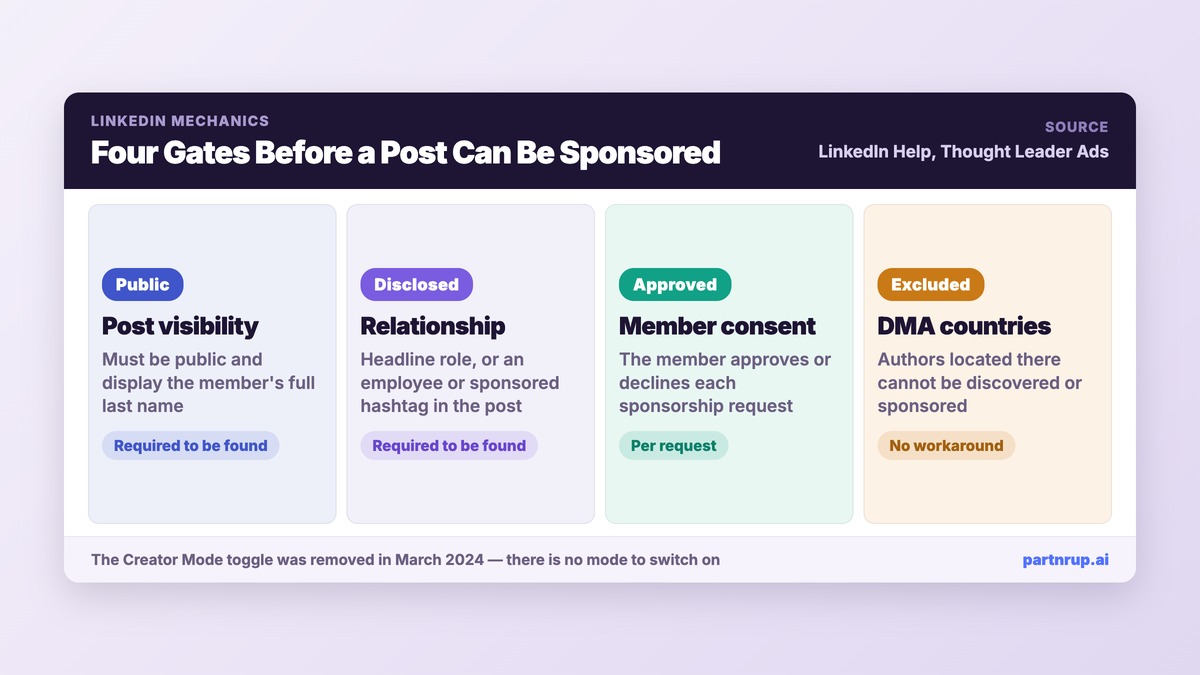
According to LinkedIn's help documentation for members, a public profile post "may be eligible to be sponsored as a Thought Leader Ad," and requests "can come from your employer or your 1st-, 2nd-, or 3rd-degree+ connections." The member approves or declines each request, and manages this on a Sponsorship Permissions page.
Two conditions gate discoverability, stated by LinkedIn as requirements before a post can be found for sponsorship: the post must be public and display the member's full last name, and the member must have disclosed their relationship with the company — LinkedIn's examples are updating the profile headline to include the role at the company, or adding hashtags such as an employee tag or a sponsored-post tag in a visible section of the post.
There is also a geographic limit that is easy to miss and expensive to discover late. LinkedIn states that content from authors and creators located in DMA countries is not discoverable and cannot be sponsored as Thought Leader Ads, and that posts from members residing in those countries will not appear for advertisers in Creator Marketplace even when public. If your target creators or employee advocates sit in those markets, this part of the program does not work for them — plan the European side of a campaign around organic collaboration instead of sponsorship.
On the advertiser side, LinkedIn documents that once a member approves, the advertiser can add an ad headline, a call-to-action button, a destination link, and a lead generation form to the sponsored version. LinkedIn is explicit that these "appear only on the sponsored version of your post" and "don't appear on or change your original LinkedIn post." That distinction matters for creator relationships: the person is not agreeing to have a CTA bolted onto their own feed.
For longer-form content the format is narrower than people assume. LinkedIn's documentation on article and newsletter ads states that sponsored articles only support the brand awareness, engagement, and lead generation objectives, while sponsored newsletter articles only support brand awareness and engagement. It also notes that Direct Sponsored Content does not support this format — "an article or newsletter must be posted organically in order to use the article and newsletter ad format." You cannot spin up a newsletter ad from scratch inside Campaign Manager; something has to exist organically first.
Disclosure Is a Platform Rule, Not Just an FTC One
LinkedIn requires the brand partnership label independently of any regulator. Its help page states that if you share content "in an exchange for value (including monetary payment, endorsements, free products or services, or other benefit), you must label the post as a brand partnership" and comply with LinkedIn's Advertising Policies and applicable local laws.
Three operational details sit in that same documentation and routinely trip up programs:
- The label is only available for public posts. Switch visibility to connections-only or a group and the toggle is disabled until visibility goes back to public.
- The setting is per post and resets to Off for the member's next post. It is not a profile-level state someone sets once, so a creator posting a four-part series has to toggle it four times.
- Labeled posts are publicly searchable by members and visitors, which LinkedIn ties to legal compliance.
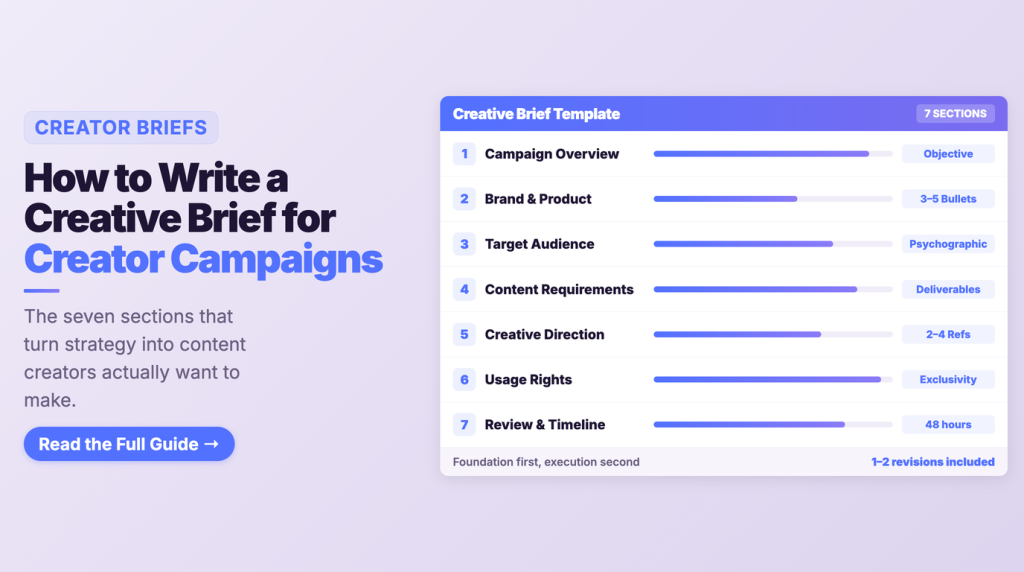
Build the per-post reset into your brief. The most common disclosure failure in B2B is not refusal — it is a creator who labeled post one correctly and assumed it carried forward.
Work With Practitioners, Not Audience Size
In consumer influencer marketing, reach is a reasonable first filter because the buyer and the viewer are the same person. In B2B they often are not, and the viewer's credibility with the buying committee matters more than how many people saw the post.
The people who move B2B purchases tend to be practitioners with specific operational credibility: someone who has run the function you sell into, an industry analyst, a consultant implementing tools in your category, or your own employees. To illustrate the gap: a platform engineer with a few thousand followers who posts about migration pain can carry more weight in a technical evaluation than a business personality with a six-figure following, because the engineer is talking to the people who will be asked whether the tool is any good.
A practical screen, in order:
- Relevance of their day job to the problem you solve. Have they done the work, or do they comment on it?
- Composition of their comment section. Are the people replying holding the titles on your target account list? This is the closest free proxy for whether their audience is your buying committee.
- Willingness to be specific. Creators who publish numbers, tradeoffs, and things that did not work are more persuasive to evaluators than creators who publish conclusions.
- Disclosure posture. Someone already labeling partnerships correctly is lower risk than someone who has never done it.
Employee advocacy deserves separate treatment rather than being folded in as an afterthought. Your employees already satisfy LinkedIn's relationship-disclosure requirement by having the role in their headline, and they are the only "creators" whose incentives survive the end of a campaign. The constraint is that their posts have to be genuinely theirs; a company-written post published under an employee's name reads as a company post with extra steps.
Map the Program to the Buying Committee, Not the Funnel
The useful planning unit in B2B is not a funnel stage, it is a person with a specific objection. A committee evaluating your category usually contains an end user who will live with the tool, a function lead who owns the outcome, a technical or security reviewer, and a budget holder. Each one disbelieves something different.
Influencer content is unusually good at two of those jobs and poor at the other two. It is good at convincing the end user that the tool is pleasant to work in, and good at convincing the function lead that peers they respect take this approach seriously. It is weak at satisfying a security reviewer, who wants documentation rather than opinion, and weak with a budget holder, who wants a number attached to a timeframe.
So brief against committee roles. A creator walkthrough of the actual working surface serves the end user. A practitioner explaining why they changed approach serves the function lead. Neither one should be asked to carry a procurement argument — that is what your own documentation and your sales team are for, and the influencer program's job is to make the committee willing to take that call.
This maps naturally onto account-based work. If you run ABM, your target account list already names the committee you are trying to reach, and it is a better targeting input than follower demographics. Pick creators whose comment sections contain those accounts.
Measure the Thing You Can Defend
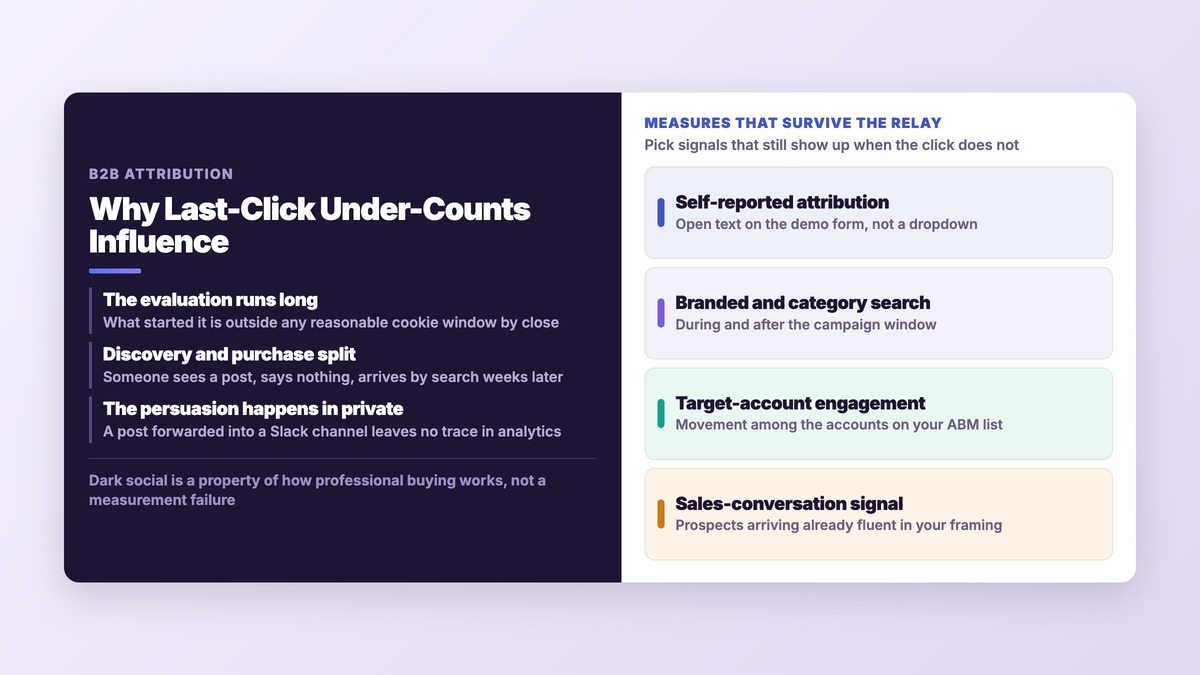
B2B attribution for influencer work is genuinely hard, and most of the difficulty is structural rather than technical. Three properties of a B2B purchase break the tidy click-to-conversion model:
- The evaluation runs long, so the content that started it is often outside any reasonable cookie window by the time a deal closes.
- The discovery and the purchase happen on different surfaces — someone sees a post, says nothing, and arrives at your site by search or direct weeks later.
- The persuasion happens in private. A post gets forwarded into a Slack channel or a group chat, and the relay that actually moved the committee leaves no trace in your analytics.
That last one is usually called dark social, and treating it as a measurement failure is the wrong response. It is a property of how professional buying works. The practical answer is to stop requiring that influencer content prove itself the same way paid search does, and pick measures that survive the relay:
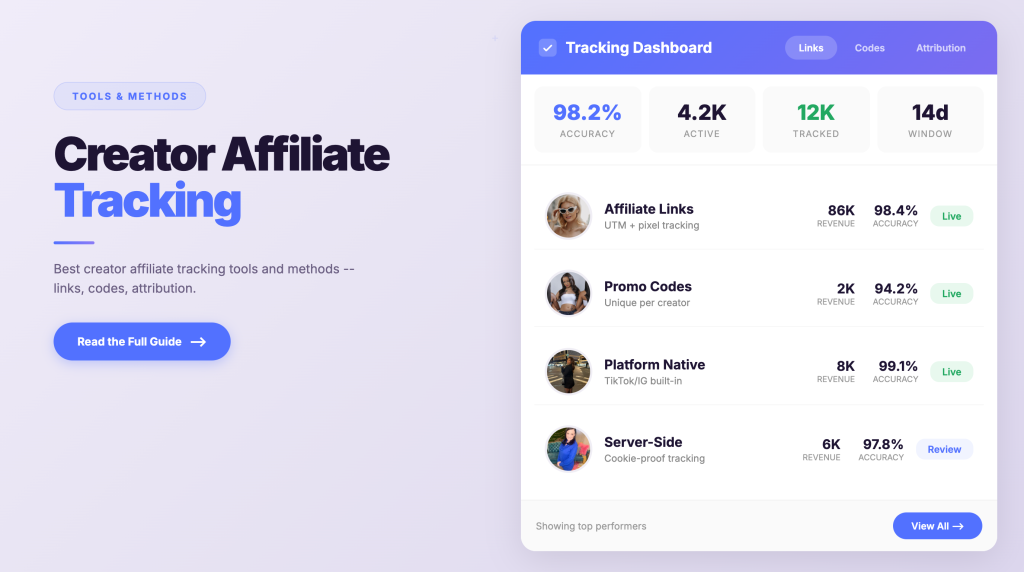
- Self-reported attribution. A "how did you hear about us" field on your demo form, open text rather than a dropdown, catches named creators that no tracking will.
- Branded and category search volume during and after a campaign window. If influence happened, people go looking for you by name.
- Target-account engagement. If your ABM list is the goal, movement among those accounts is the result, whether or not a click connects them.
- Sales-conversation signal. Ask the sales team whether prospects are arriving already fluent in your framing. That is an influence outcome even when it never appears in a dashboard.
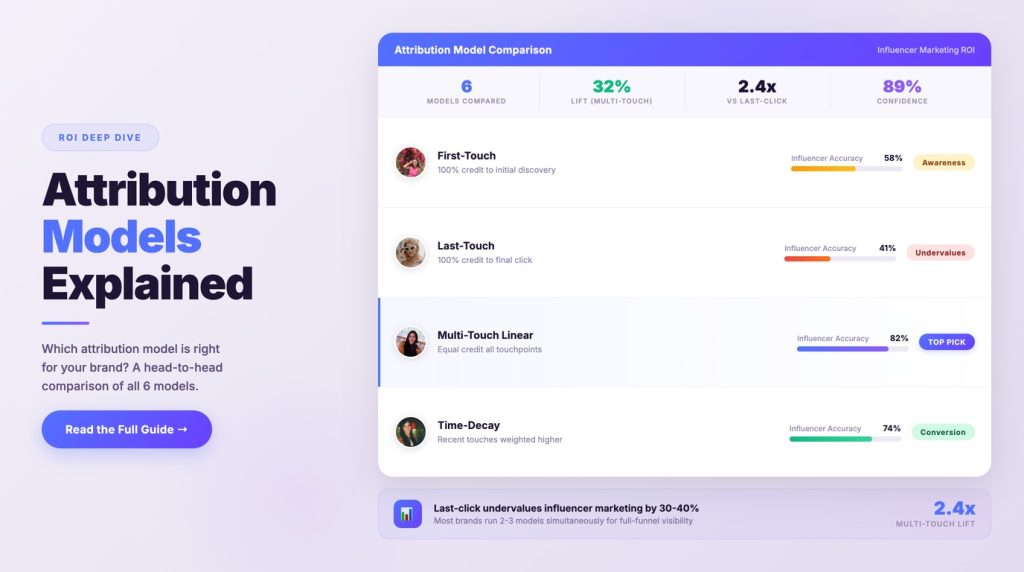
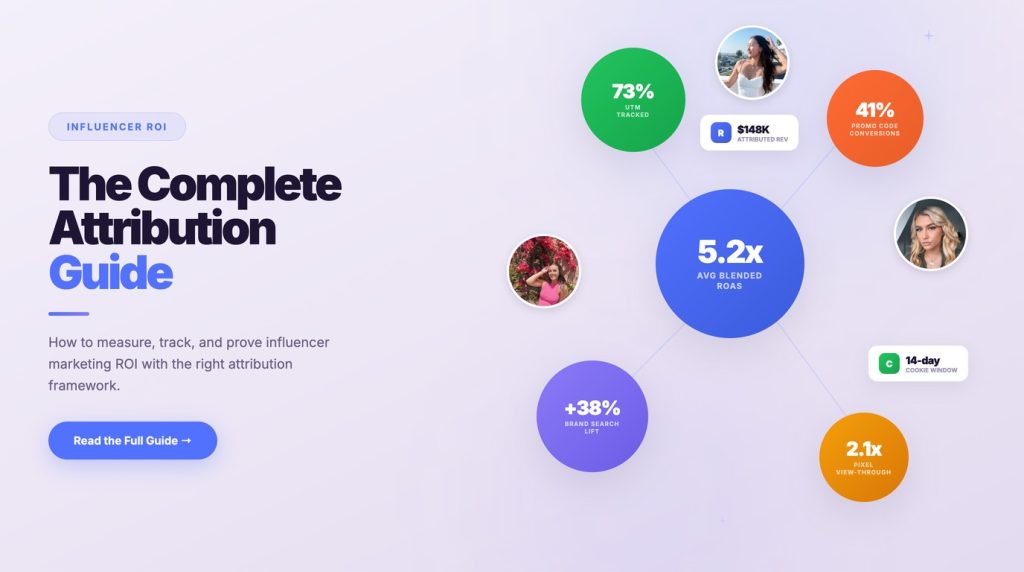
For the mechanics of building this out — UTM structure, multi-touch models, and where each one misleads — our guide to influencer marketing attribution models covers the model choices in depth, and the complete guide to measuring influencer marketing ROI is the broader framework this fits inside.
What Reliably Goes Wrong
The failure patterns in B2B influencer programs are consistent enough to plan around.
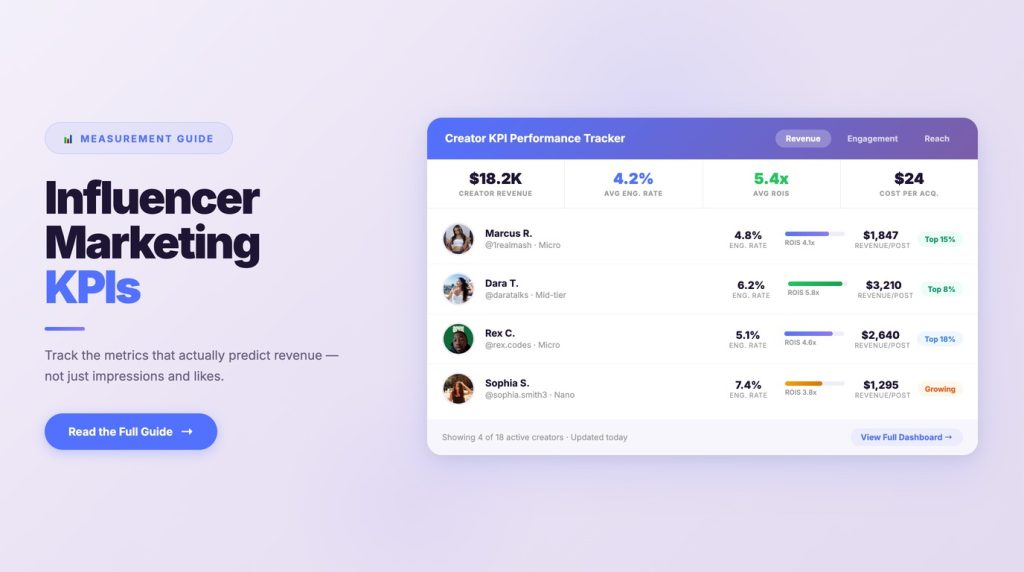
Buying reach and calling it credibility. The follower count is the easiest number to compare across creators, which is why it dominates decisions it should not. Audience composition is the thing you actually want and it takes more work to assess.
Scripting the creator into a brochure. The reason a practitioner's post works is that it sounds like a practitioner. Replace their phrasing with your messaging and you have bought a worse ad at a higher price. Brief the point, not the sentences.
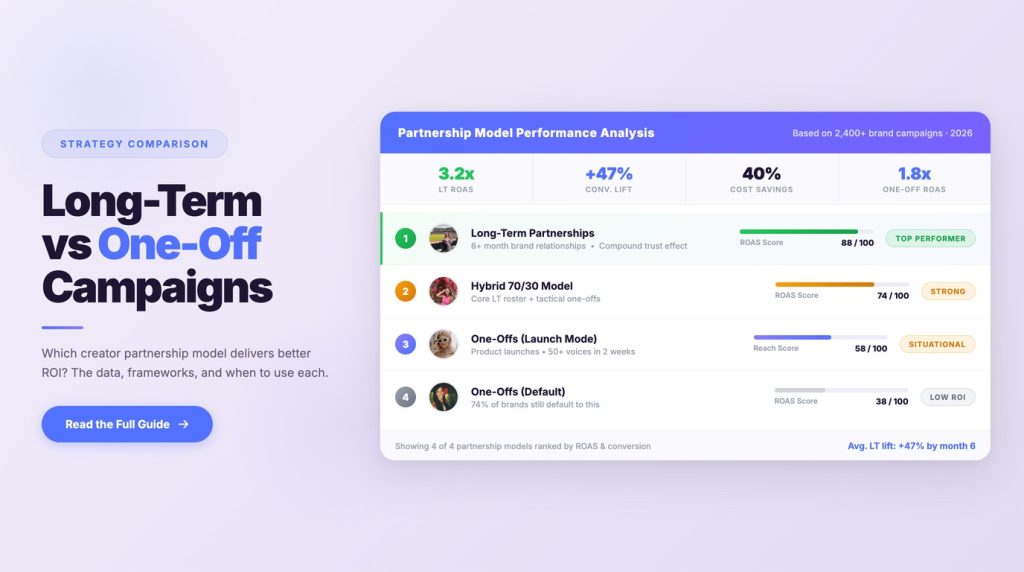
Running it as a campaign. A short burst gets measured against a sales cycle many times its length, concludes that influencer marketing does not work for B2B, and shuts down right as the evaluation it seeded reaches procurement. Relationships that persist across quarters are the format that matches the purchase.
Treating disclosure as the creator's problem. It is a platform requirement with a per-post reset and a public-visibility condition. Put it in the brief, every time.
One-dimensional measurement. Requiring last-click proof from a channel whose main mechanism is private forwarding guarantees you will under-count it and kill it.
How partnrUP Fits
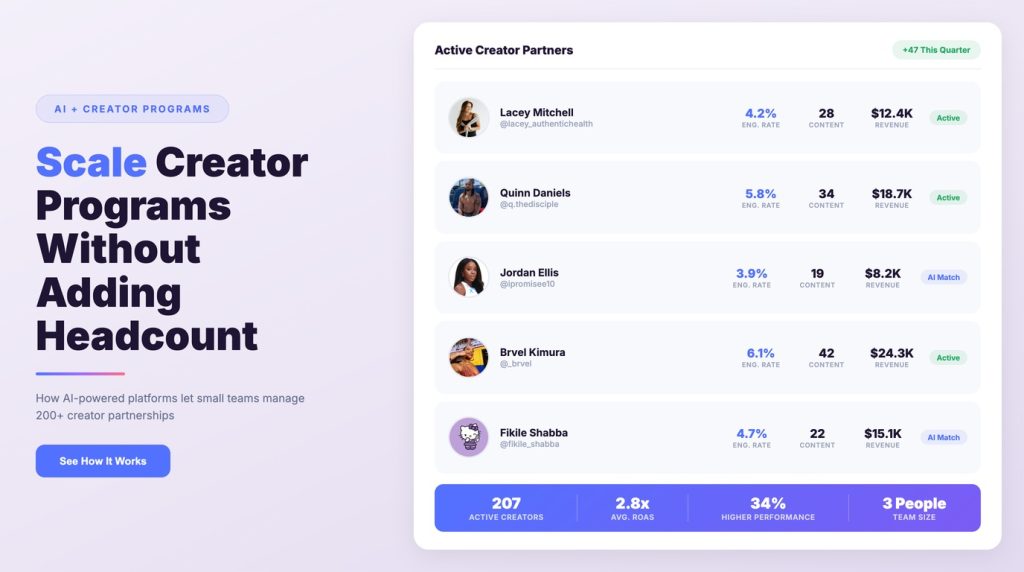
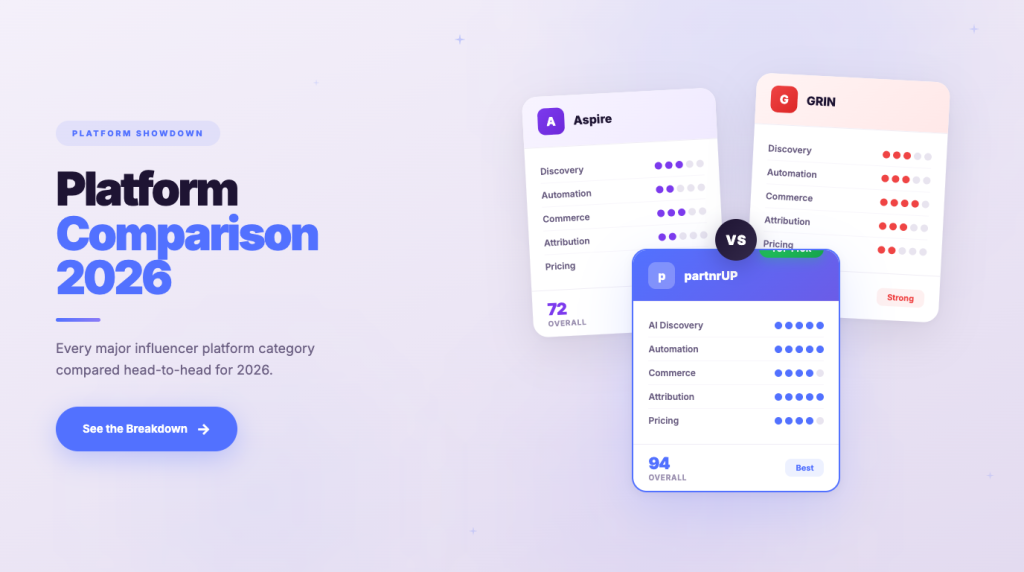
The operational weight in a B2B influencer program sits in the parts that are not strategy: finding practitioners whose audiences contain your target accounts, verifying that fit before you commit budget, keeping briefs and disclosure requirements consistent across a roster, and holding a measurement trail together across a sales cycle long enough that the originating content is forgotten.
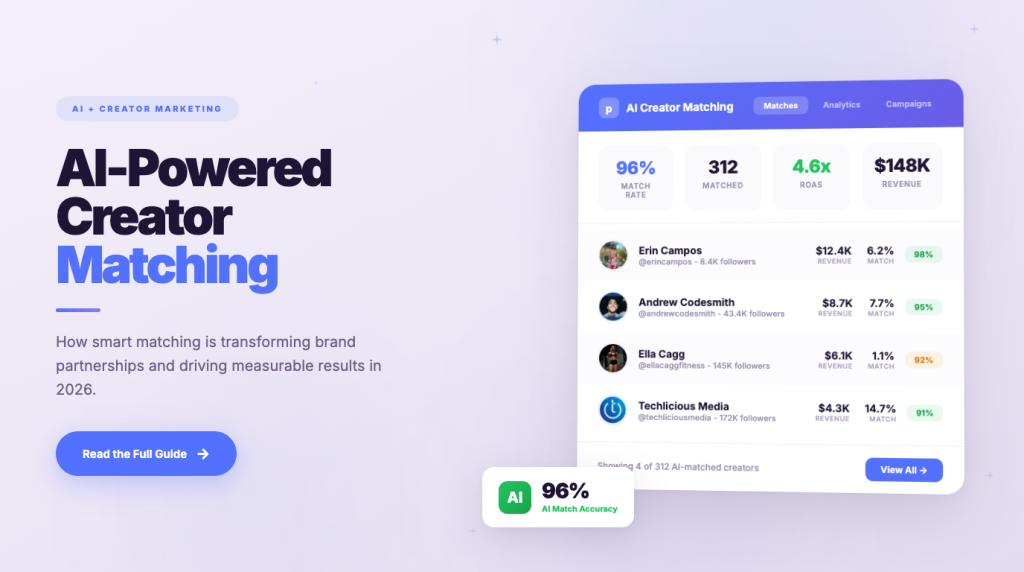
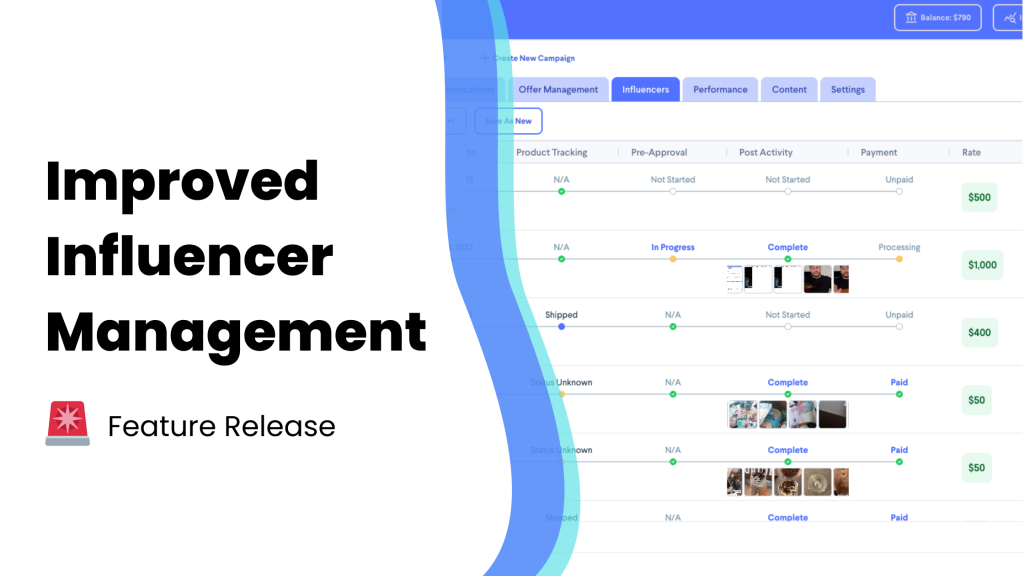
partnrUP handles that layer — AI-powered creator matching against the audience you are actually trying to reach, campaign and brief management across a roster, and tracking that persists across a long evaluation rather than expiring with a cookie window. The strategic calls stay yours: which committee role you are trying to convince, and what you are willing to count as evidence.
For a broader view of where this sits in a full measurement practice, start with the influencer marketing ROI guide. If your category is technical, influencer marketing for SaaS and technology brands covers the same committee dynamics with software-specific examples.