


.png)



Franc Carreras, a brand marketer who spent his career creating massive online audiences for large brands and musical artists, gave a TEDx Talk in 2017 entitled The Secret to Online Influence. In it, he reveals that the most important element to successful and scalable online influence comes down to one word: trust.
While the traditional thinking behind brand marketing sees consumers as people who need to be taught their needs and sold to, and digital marketing is about getting messaging in front of the right audiences based on their demographics and online habits, influencer marketing is all about building trust. As Mr. Carreras said, it is the glue that keeps your followers together.
Influencers focus on two things as they get started with monetizing their digital presence: building their personal brand and forming relationships with their audience (aka followers). This trust is the keystone of the influencer marketing model – and it’s precisely why more brands are beginning to work with micro-influencers.
What Are the Different Types of Influencers?
Gone are the days when celebrities and everyday people were on massively different standings and only the luckiest individuals could “break through” to gain a following. Nowadays, anyone with a drive, a phone or computer, and some social media marketing basics can become an influencer.
There are generally said to be 4 types of influencers: nano-, micro-, macro-, and celebrity. Let’s walk through the differences between the content creator groups:
- Nano-influencers. Starting off with the lowest tier of influencers based on audience size and potential reach are nano-influencers, or people who have under 10,000 followers.
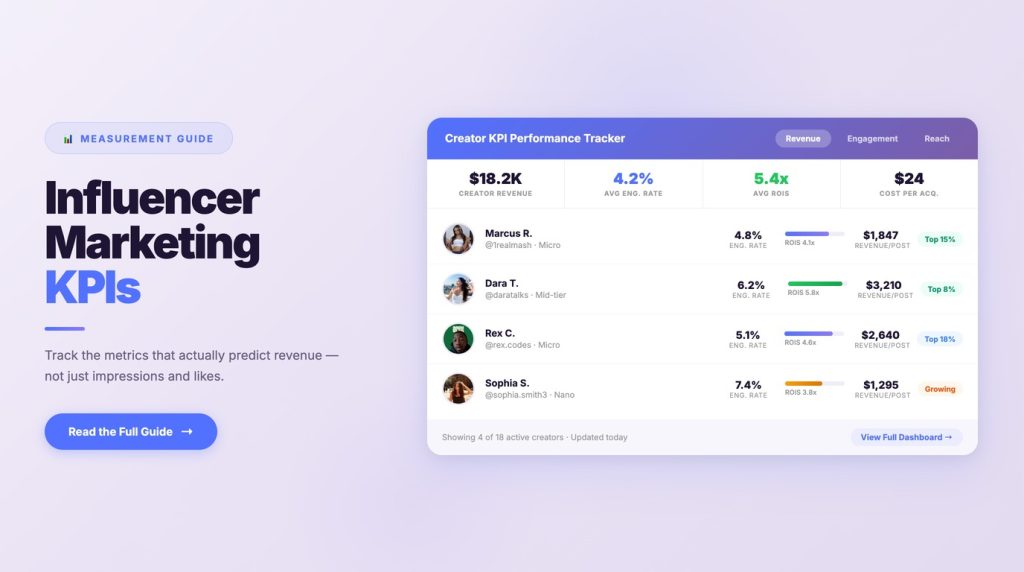
- Micro-influencers. These are the influencers that have a nice balance between low-to-mid following (10,000–100,000 followers) and high engagement. They can be extremely targeted in terms of audience niche, location, and more, making them a low-cost option with significant targeting abilities.
- Macro-influencers. The loudest and proudest influencers are generally those in this tier, with anywhere between 100,000 and 1,000,000 followers. While they will have a higher cost and lower availability than the previously mentioned tiers, their content quality is often more reliable and their reach can be high even outside of their audience.
- Celebrities. These are the actors, models, sports stars, and more that we all know and love. Celebrity influencers undoubtedly have the largest reach of any of the tiers, but for that reason, come with the biggest price tag.
What Makes Someone Considered A Micro-Influencer?
Celebrities have been utilized in advertising for years now, but the 2010s brought new players onto the marketing stage: influencers. And in the 2020s, we’re beginning to see the rise of micro-influencers. As previously mentioned, micro-influencers typically have a follower count in the low thousands, and their specific branding often earns them a dedicated audience.
Most marketers would agree that you would be considered a micro-influencer once you meet the following criteria:
- You have over 10,000 followers (and less than ~100,000) on Instagram, TikTok, YouTube, Twitter, or another social media platform.
- You are interested in monetizing your social media presence, acquiring brand deals, and promoting things to your followers.
- You have a niche that you enjoy creating content around and have gained followers for this reason.
Are Micro-Influencers Effective in 2023?
Micro-influencer marketing is quickly becoming one of the hottest trends in the promotional space. Many experts have predicted that the reliance on small content creators will continue to grow in 2023.
Are micro-influencers often more effective than celebrity influencers? Yes, and here’s why.
While larger influencers such as celebrities have significant reach and recognition across audiences, micro-influencers have higher trust and engagement within a smaller, more specific audience group. According to Meltwater, while macro-influencers see around a 1.21% engagement rate, micro-influencers enjoy an engagement rate of 3.86%.
So, instead of breaking the bank and attempting to land a celebrity partnership, you might opt for working with a smaller creator who has more relevance to your brand and higher conversion within their audience. People are persuaded by these smaller influencers because they are more like “everyday” people and bring a higher level of perceived authenticity to their content.
That’s why brands are choosing to work with micro-influencers – because they can leverage the creator’s unique content and relationship with their followers to target a distinct potential customer group. In fact, most brands doing influencer marketing well are partnering with micro influencers.
How partnrUP Can Help
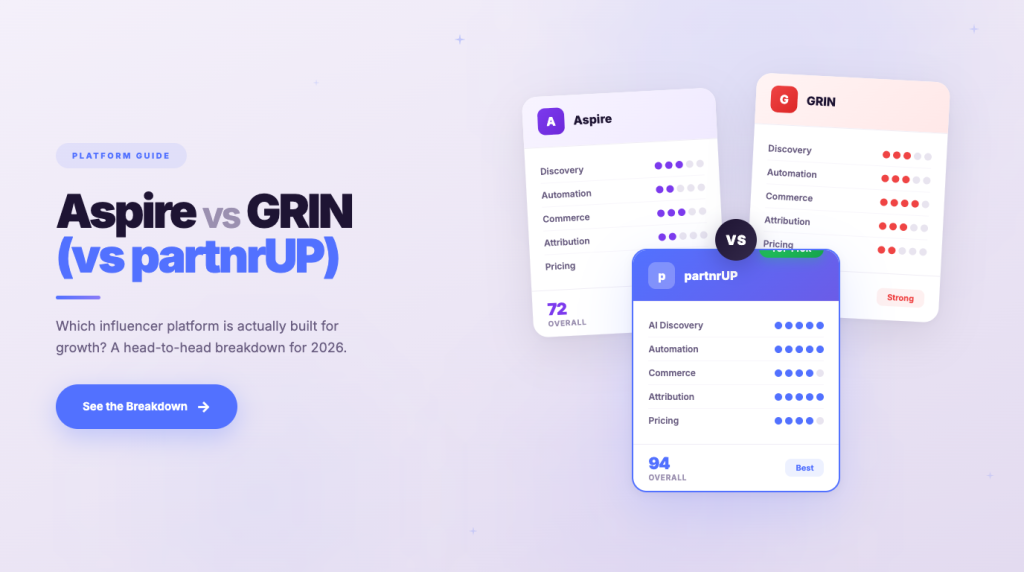
With the number of companies, social media platforms, and general distractions that exist online today, it’s harder than ever to stand out. Stay relevant, targeted, and persuasive by building a micro-influencer marketing strategy. Let partnrUP help you get started.
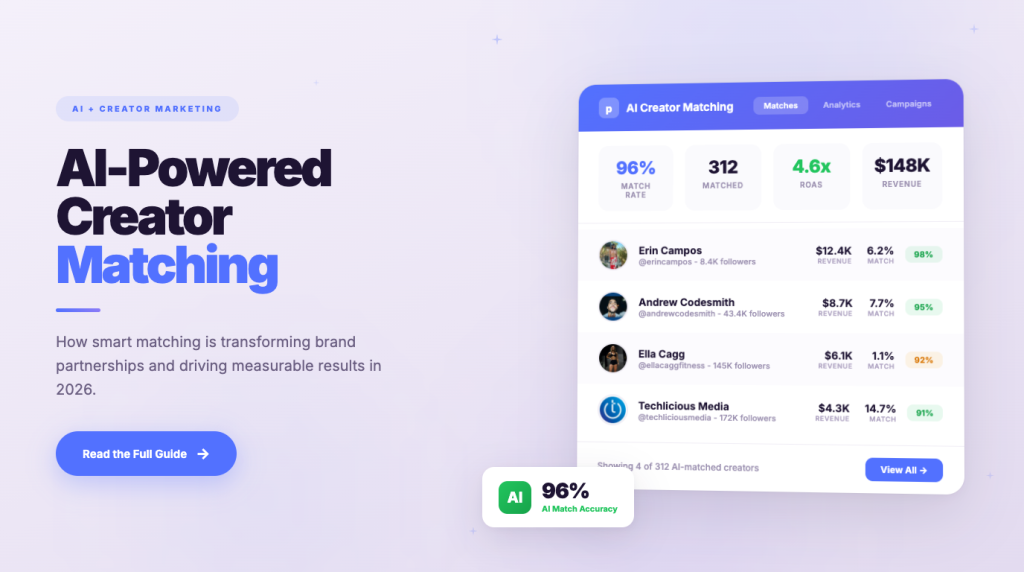
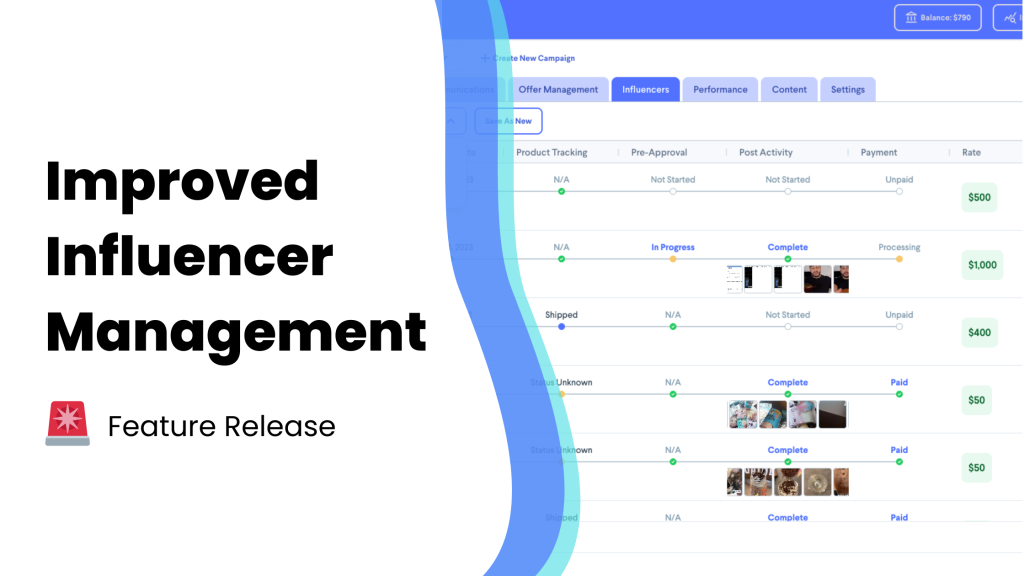
Our platform allows you to find the right influencers, manage ever-important relationships, and track campaign results in one easy-to-use platform. Reach out today to learn more and schedule a free demo.


.jpg)



.webp)





.jpg)
.webp)











.png)


.png)




.png)


.png)