Influencer Marketing for Travel and Hospitality Brands: The Complete 2026 Strategy Guide
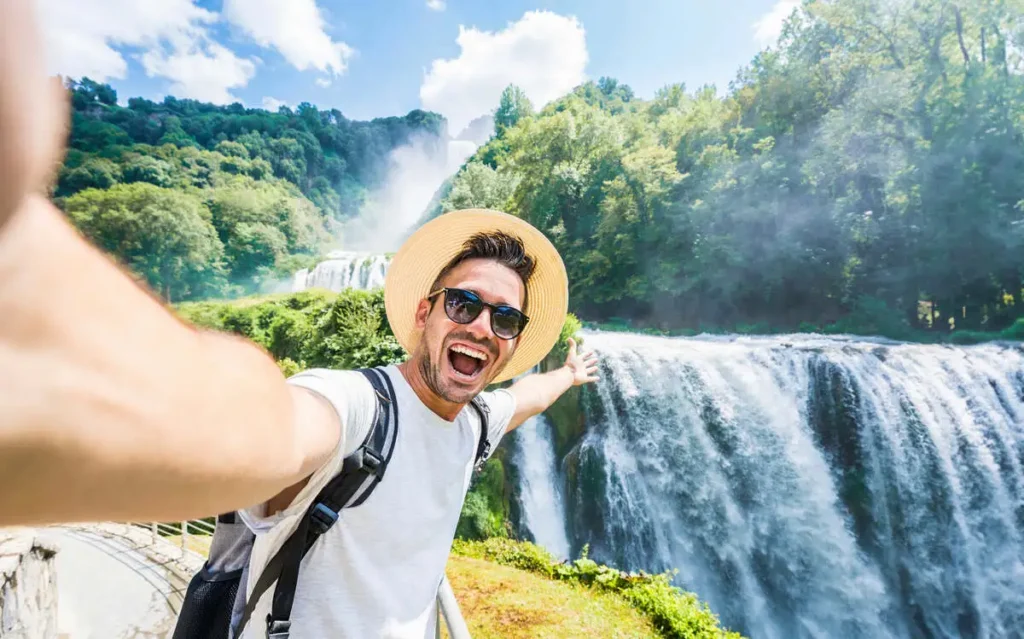
Travel decisions start with a scroll. Whether it’s a sunrise over Santorini or a hidden beach in Bali, travelers today discover their next destination through content creators who inspire wanderlust with every post. For travel and hospitality brands, influencer marketing isn’t just a trend: it’s the most powerful way to reach travelers during their decision-making journey.
This comprehensive guide explores how hotels, resorts, tour operators, tourism boards, and hospitality brands can leverage influencer marketing to drive bookings, increase brand awareness, and build authentic connections with modern travelers.
What Is Influencer Marketing in Travel and Hospitality?
Influencer marketing for travel and hospitality is a strategic partnership between travel brands and content creators who have built engaged audiences around travel, adventure, lifestyle, and exploration. These creators: ranging from micro-influencers with 10,000 followers to macro-influencers with millions—share authentic experiences at hotels, destinations, and attractions, influencing their audience’s travel decisions.
Unlike traditional advertising, influencer marketing creates authentic storytelling that resonates with travelers seeking real recommendations from trusted voices. When a travel influencer shares their stay at your boutique hotel or their experience on your guided tour, their audience doesn’t see an ad: they see inspiration.
Why Travel Influencer Marketing Works
According to PhocusWright research, 55% of travelers favor recommendations from loved ones and trusted creators when seeking travel inspiration on social media. The global influencer marketing industry is projected to reach $30.8 billion by 2026, with travel and hospitality representing one of the fastest-growing sectors within this space.
Travel content naturally performs exceptionally well on visual platforms like Instagram, TikTok, and YouTube because:
- Visual storytelling drives engagement – Stunning photography and videography showcase destinations better than any brochure
- Authenticity builds trust – Travelers trust peer recommendations over branded content
- User-generated content fuels conversions – 77% of travelers report that UGC influences their booking decisions
- Social proof reduces risk – Seeing real people enjoy experiences reduces booking hesitation
Key Benefits of Influencer Marketing for Travel Brands
1. Increased Direct Bookings and Revenue
Travel influencer campaigns drive measurable ROI when executed strategically. By partnering with creators whose audiences align with your target demographic, you can inspire travelers during the critical awareness and consideration phases of their journey.
Hotels leveraging AI influencer discovery can identify creators whose followers match their ideal guest profile based on location, interests, demographics, and travel behavior, ensuring maximum campaign effectiveness.
2. Enhanced Brand Awareness and Reach
A single well-executed influencer campaign can expose your property or destination to thousands, or even millions: of potential travelers. Travel influencers act as brand ambassadors, introducing your brand to new audiences who may have never discovered you through traditional marketing channels.
3. Authentic Content Creation at Scale
Every influencer partnership generates high-quality photos, videos, and stories that can be repurposed across your owned channels. With content management solutions and retail page syndication, travel brands can maximize the value of influencer-generated content by showcasing it on booking pages, social media, and marketing materials.
4. Improved SEO and Online Visibility
Influencer content creates valuable backlinks, social signals, and online mentions that boost your search engine rankings. When creators tag your location, link to your website, and generate engagement, search engines interpret this as authority and relevance, improving your visibility for key search terms like “best hotels in [destination]” or “where to stay in [city].”
5. Cost-Effective Marketing Compared to Traditional Advertising
Influencer marketing often delivers better ROI than traditional advertising. While a magazine ad or TV commercial reaches a broad, untargeted audience, influencer campaigns reach highly specific audiences already interested in travel and your destination category.
Influencer gifting campaigns offer particularly strong ROI: brands provide complimentary stays or experiences in exchange for authentic content, avoiding high cash fees while generating authentic storytelling.
Types of Travel and Hospitality Influencers
Mega-Influencers (1M+ followers)
Celebrity travelers and major content creators with massive reach. Best for large-scale brand awareness campaigns and luxury properties seeking prestige association.
Macro-Influencers (100K-1M followers)
Established travel creators with substantial, engaged audiences. Ideal for regional campaigns, destination marketing, and mid-market hospitality brands.
Micro-Influencers (10K-100K followers)
Niche travel specialists with highly engaged, loyal communities. Often deliver the highest engagement rates and strongest audience trust. Perfect for boutique hotels, unique experiences, and authentic storytelling.
Nano-Influencers (1K-10K followers)
Local creators and passionate travelers with small but deeply connected audiences. Excellent for hyperlocal campaigns, community building, and generating authentic UGC.
Travel Bloggers vs. Travel Influencers
While both create travel content, travel bloggers and travel influencers connect with audiences differently. Travel bloggers focus on long-form written content and SEO-driven articles on their own websites, while travel influencers prioritize visual storytelling and engagement on social platforms like Instagram and TikTok. Many successful creators do both, maintaining blogs while building strong social media followings.
How to Build a Successful Travel Influencer Marketing Strategy
Step 1: Define Clear Campaign Objectives
Start with specific, measurable goals:
- Awareness: Increase brand visibility and reach new audiences
- Engagement: Generate social media interactions, saves, and shares
- Conversions: Drive direct bookings, website traffic, or email sign-ups
- Content Creation: Build a library of user-generated content for marketing
- Reputation: Improve online reviews and social proof
Step 2: Identify Your Target Audience
Understanding who you want to reach determines which influencers to partner with. Consider:
- Demographics: Age, income, location, family status
- Psychographics: Travel preferences, interests, values
- Booking Behavior: Lead time, trip length, budget range
- Platform Preferences: Instagram, TikTok, YouTube, Pinterest
Step 3: Find the Right Travel Influencers
Finding creators who authentically align with your brand is critical. Manual influencer discovery is time-consuming and often ineffective. AI-powered influencer discovery platforms analyze millions of creator profiles to identify influencers based on:
- Audience demographics and location
- Engagement rates and authenticity
- Content quality and aesthetic alignment
- Previous brand partnerships and performance
- Follower authenticity (detecting fake followers)
Using advanced influencer recruitment tools streamlines outreach and relationship building, enabling brands to efficiently manage multiple creator partnerships simultaneously.
Step 4: Create Compelling Campaign Briefs
Once you’ve identified potential partners, communicate your expectations clearly through detailed creative briefs. AI-generated campaign briefs help brands articulate:
- Campaign goals and key messages
- Required deliverables (posts, stories, reels, videos)
- Content guidelines and brand dos/don’ts
- Hashtags, mentions, and links
- Timeline and posting schedule
- Compensation structure
Step 5: Execute Influencer Gifting or Paid Partnerships
Travel brands typically compensate influencers through:
Influencer Gifting/Seeding: Complimentary hotel stays, meals, tours, or experiences in exchange for content. Influencer seeding works particularly well for hospitality brands with inventory (hotel rooms, restaurant reservations) that can be provided at minimal marginal cost.
Paid Partnerships: Direct monetary compensation for content creation and promotion. Rates vary based on follower count, engagement rate, deliverables, and usage rights.
Affiliate/Commission: Performance-based compensation where creators earn a percentage of bookings generated through their unique links or codes.
Ambassador Programs: Long-term partnerships where creators become ongoing brand advocates, receiving ongoing perks and compensation for regular content. Learn how brand ambassador program management creates sustainable creator relationships.
Step 6: Manage Campaigns Efficiently
Managing multiple influencer partnerships requires organization. Campaign management platforms help travel brands:
- Track deliverables and posting schedules
- Monitor content approval workflows
- Communicate with multiple creators
- Ensure compliance with FTC disclosure requirements
- Manage contracts and compensation
For brands lacking internal resources, managed influencer marketing services provide full-service support from strategy to execution and reporting.
Step 7: Measure Performance and ROI
Tracking influencer campaign performance is essential for optimization and proving ROI. Key metrics include:
Awareness Metrics:
- Impressions and reach
- Follower growth
- Brand mentions and tags
Engagement Metrics:
- Likes, comments, shares, saves
- Engagement rate
- Video views and completion rate
Conversion Metrics:
- Website traffic from influencer links
- Direct bookings attributed to campaigns
- Promo code usage
- Cost per acquisition (CPA)
Content performance analytics tools provide comprehensive tracking across all influencer partnerships, enabling data-driven decision-making and campaign optimization.
Travel Influencer Marketing Best Practices
1. Prioritize Authenticity Over Reach
A micro-influencer with 15,000 engaged followers who genuinely love your destination will drive better results than a celebrity with 2 million disengaged followers. Focus on authentic alignment and audience quality over vanity metrics.
2. Give Creators Creative Freedom
Influencers know their audiences better than brands do. While providing brand guidelines is important, avoid overly scripted content that feels inauthentic. The most successful campaigns balance brand requirements with creator authenticity.
3. Build Long-Term Partnerships
One-off campaigns generate limited impact. Long-term partnerships replace one-off campaigns as a 2026 influencer marketing trend. Ongoing relationships with trusted creators build stronger brand association, deeper audience trust, and better content quality over time.
4. Leverage User-Generated Content Strategically
Influencer content is valuable beyond the initial post. Secure usage rights and repurpose high-performing content across:
- Your social media channels
- Website and booking pages
- Email marketing campaigns
- Digital advertising
- Print materials
Customer-generated content platforms help brands aggregate and showcase authentic traveler experiences alongside influencer content.
5. Ensure FTC Compliance and Transparency
All paid partnerships and gifted experiences must include clear disclosures per FTC guidelines. Require creators to use #ad, #sponsored, or #gifted hashtags, and include the Instagram “Paid Partnership” label to maintain transparency and legal compliance.
6. Integrate Influencer Marketing Into Your Full Funnel Strategy
Influencer marketing works best when integrated with other marketing efforts. Connect influencer campaigns to your broader strategy through full funnel management that aligns awareness, consideration, and conversion tactics across all channels.
Travel Influencer Marketing Campaign Examples and Case Studies
Destination Marketing: Missouri Tourism
Missouri Tourism partnered with travel influencers to shift perceptions and promote the state as a fun, affordable travel destination. The campaign successfully reached potential visitors through authentic creator storytelling that highlighted hidden gems and unique experiences across the state.
Luxury Hospitality: Resort Turnaround
A startup resort in rural Alabama struggled with awareness until implementing a strategic influencer marketing program. By inviting travel creators to experience the property and share their stays, the resort generated significant social proof, increased direct bookings, and established itself as a destination-worthy property.
International Tourism: Germany’s UNESCO Sites
Germany Tourism leveraged social media influencer marketing to promote its 41 UNESCO World Heritage Sites. By partnering with creators across multiple markets, the campaign showcased cultural and historical attractions to diverse international audiences, driving increased interest and visitation.
Common Travel Influencer Marketing Mistakes to Avoid
1. Choosing Influencers Based on Follower Count Alone
Fake followers, bots, and inactive accounts inflate follower counts. Always analyze engagement rates, audience authenticity, and content quality before partnering with creators.
2. Failing to Set Clear Expectations
Unclear briefs lead to disappointing results. Specify exact deliverables, posting timelines, content requirements, and approval processes upfront.
3. Not Tracking Performance
Without measurement, you can’t determine ROI or optimize future campaigns. Implement tracking links, UTM parameters, and promo codes to monitor conversions.
4. Ignoring Niche Creators
Don’t overlook specialized travel niches (luxury, adventure, family, solo female, sustainable travel, etc.). Niche creators often deliver higher engagement and better audience alignment than generalist travel influencers.
5. Rushing the Process
Building authentic relationships takes time. Approach influencer marketing as a long-term strategy, not a quick fix.
How to Scale Your Travel Influencer Marketing Program
As your influencer marketing program matures, scaling becomes essential. Managing dozens or hundreds of creator partnerships manually becomes impossible without the right infrastructure.
Automation and AI-Powered Solutions
Modern influencer marketing platforms leverage AI to automate:
- Creator discovery and vetting with AI influencer discovery agents
- Outreach and recruitment through automated recruitment workflows
- Campaign brief creation using AI creative brief generators
- Campaign execution and management with AI campaign managers
Solutions for Different Business Sizes
Startups: Influencer marketing for startups helps early-stage travel brands get creator campaigns off the ground without extensive budgets or internal teams. AI handles the heavy lifting from day one.
Mid-Sized Businesses: Influencer marketing for mid-sized businesses streamlines operations, tests new strategies, and boosts efficiency with AI-powered campaign support as programs scale.
Enterprise: Enterprise influencer marketing solutions automate creator marketing processes across departments, brands, and markets while maintaining central control and visibility.
Agencies: Influencer marketing solutions for agencies enable agencies to support more clients with fewer resources using platforms built to scale creator services efficiently.
The Future of Travel Influencer Marketing in 2026
Performance and ROI Take Center Stage
Travel brands increasingly demand measurable results. Performance-based partnerships and affiliate programs that tie compensation to actual bookings are becoming standard practice.
Video Content Dominates
Short-form video (TikTok, Reels, Shorts) and long-form YouTube content continue to drive the highest engagement. Travel brands must prioritize video-first partnerships with creators skilled in visual storytelling.
AI and Automation Enable Scale
Manual influencer marketing can’t scale. AI-powered platforms enable travel brands to manage hundreds of creator partnerships simultaneously while maintaining quality and authenticity.
Authenticity and Transparency Increase
Travelers are sophisticated content consumers who can spot inauthentic sponsored content instantly. Successful campaigns prioritize genuine creator experiences and transparent partnerships over staged photoshoots.
Integration with E-Commerce and Booking
Social commerce functionality enables creators to drive direct bookings through shoppable posts and links. Commerce enablement solutions connect creator content directly to conversion opportunities.
Getting Started with Travel Influencer Marketing
Whether you’re a boutique hotel, major resort chain, tour operator, or destination marketing organization, influencer marketing offers unparalleled opportunities to reach travelers during their inspiration and booking journey.
Start with these steps:
- Define your goals – What do you want to achieve?
- Identify your audience – Who are you trying to reach?
- Find aligned creators – Which influencers authentically connect with your target travelers?
- Develop your strategy – Will you use gifting, paid partnerships, or affiliates?
- Launch and measure – Execute campaigns and track performance rigorously
For travel brands ready to scale their influencer programs efficiently, partnrUP’s AI-powered platform automates the entire creator marketing workflow, from discovery and recruitment to campaign management, content performance analytics, and retail syndication.
Whether you prefer self-service tools or fully managed agency services, modern solutions help you scale your influencer programs faster with less manual work and overhead.
Conclusion
Influencer marketing has fundamentally changed how travelers discover destinations, choose hotels, and book experiences. By partnering with authentic creators who inspire their audiences, travel and hospitality brands can drive awareness, engagement, and direct bookings at scale.
The brands that win in 2026 and beyond will be those that embrace AI-powered automation, prioritize authentic partnerships over vanity metrics, build long-term creator relationships, and measure performance rigorously.
Ready to transform your travel marketing strategy? Explore how partnrUP helps travel and hospitality brands automate and scale influencer campaigns with AI-powered efficiency.