There’s a shift happening in influencer marketing, and the Spring 2026 G2 reports make it clear.
For years, platforms competed on features and support. The assumption was that influencer marketing is inherently complex, so the best solution was better tools and more hands-on help to manage that complexity.
But that’s starting to change.
The platforms being recognized today aren’t the ones helping teams manage the work. They’re the ones reducing how much work there is to begin with.
That’s the shift.
And it’s exactly what’s behind partnrUP being recognized this quarter for ease of use, meeting requirements across both SMB and enterprise, and ease of doing business—while also marking 17 consecutive quarters as a High Performer.
The Creator Economy Shift: From Doing the Work to Having It Done
Most legacy influencer marketing tools were built around access. They gave teams large databases of creators, filters, and dashboards, and expected marketers to take it from there.
In practice, that meant hours spent searching, vetting, outreach, coordination, and reporting. The platform held the data, but the team still did the heavy lifting.
What’s emerging now is a different model.
Instead of asking teams to operate the system, newer platforms are designed to participate in the work itself. AI is being applied not just to analyze data, but to move workflows forward: surfacing the right creators, streamlining execution, and making performance easier to understand in real time.
It’s a shift from tools you operate to systems that actually perform.
Why Teams Are Re-Evaluating Their Creator Marketing Stack
Across the board, teams are taking a harder look at their influencer marketing stack.
It’s no longer enough to have access to creators or to run campaigns. The pressure is on to move faster, produce more content, and clearly understand what’s driving results.
That’s where older approaches start to break down. When workflows are fragmented and execution is manual, scaling becomes difficult. Campaigns take longer to launch, and performance is harder to measure in a meaningful way.
What brands are looking for now is simpler in theory, but harder in practice: a system that brings everything together and reduces the operational burden without sacrificing control.
That’s the gap partnrUP is filling. The recognition this quarter reflects a platform that is not only easier to use, but also capable of supporting real execution across different team sizes and use cases.
SMB: Moving Faster Without Adding Overhead In Low Cost Influencer Tools
For smaller teams, the challenge has always been speed.
There’s usually no dedicated team for influencer marketing, which means the same people responsible for strategy are also managing execution. When the process relies on manual work, campaigns slow down or never fully scale.
What’s changing is the ability to remove that bottleneck.
With partnrUP, SMB teams are able to launch campaigns quickly and manage the full lifecycle in one place, without needing additional tools or resources. The platform reduces the need for manual sourcing and coordination, which makes it possible to move from idea to execution much faster.
That’s part of why it was recognized as easiest to use while still meeting the needs of growing teams.
Brands like Lifeboost Coffee are a good example of this shift. Instead of treating influencer marketing as a series of one-off activations, they’ve been able to build a more consistent engine around creator content: without dramatically increasing internal complexity.
The result is not just faster campaigns, but a more sustainable way to scale.
SMB partnrUP Customer Spotlight
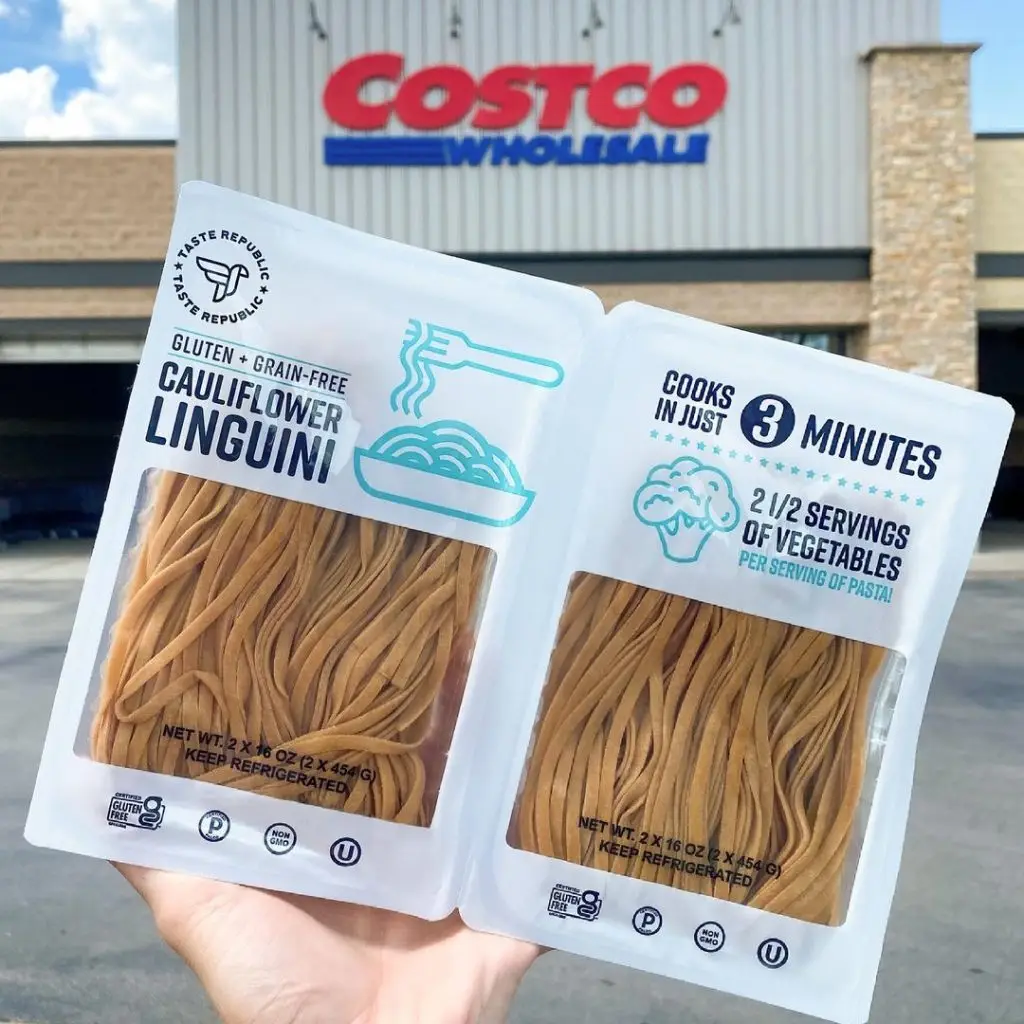
Taste Republic Grew Retail Sales with Creator Partnerships
Using partnrUP to activate food and lifestyle creators for recipes, reviews, and in-store content. With recruitment, contracts, payments, and real-time performance in one platform, the team scaled into larger retail programs and tested partnerships from micro-creators to creators like @jenselter’s @idreamaboutfood.
Reaching over 13.6 million people!
Enterprise: Scaling Creator Relationships with Structure and Accountability
At the enterprise level, the challenge looks different.
Speed still matters, but it has to come with structure. Teams need consistency across regions, clear approval processes, and a way to connect content back to performance.
Without that structure, influencer marketing becomes difficult to manage at scale.
This is where partnrUP’s recognition for meeting enterprise requirements stands out. It reflects a platform that can support more complex workflows without becoming difficult to use.
Companies like Lenovo and Midol are using partnrUP to bring more organization and visibility into their creator programs. Instead of relying on disconnected tools and manual coordination, they’re able to centralize execution and create a more consistent system across teams.

That shift makes influencer marketing easier to manage as a channel, rather than a collection of campaigns.
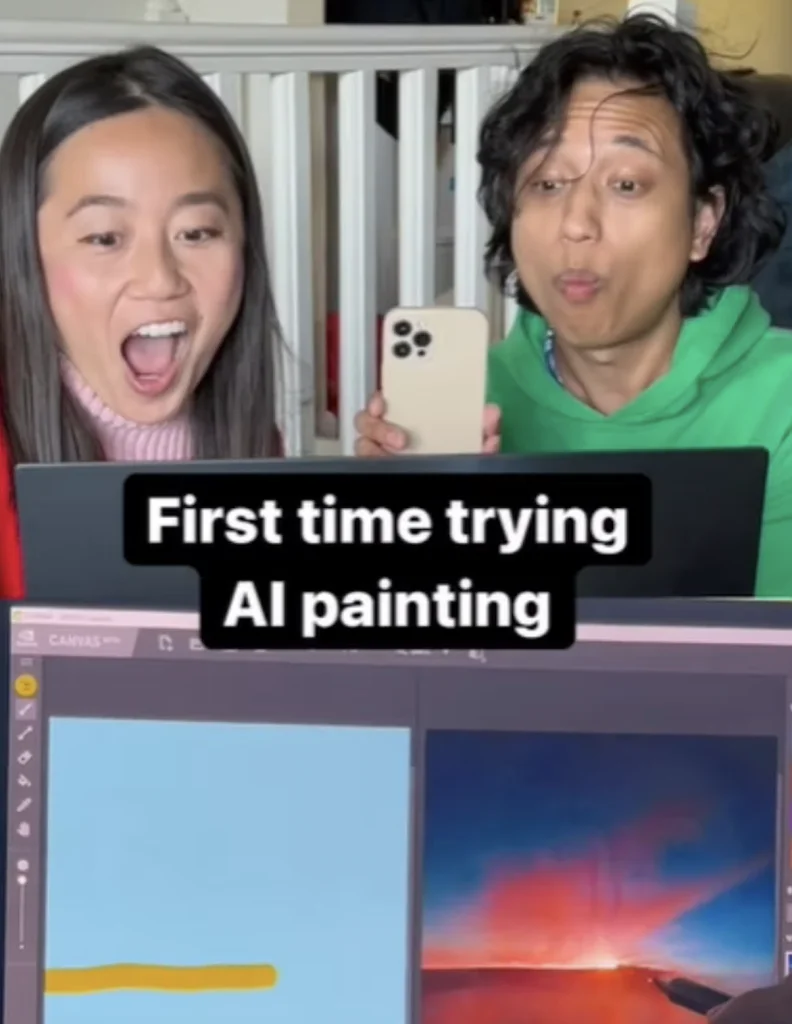
NVIDIA Influencer Case Study partnrUP collaborated with San Francisco creator Karen Cheng, leveraging her AI-driven visuals for brands like Adobe and Beats by Dre. By combining her creative vision with NVIDIA’s objectives, the campaign produced content that was both viral and educational.
Outperformed campaign reach goals by 2x!
Why This Shift Matters Now for Influencer Marketing
Influencer marketing is no longer experimental for most brands. It’s becoming a core part of how companies drive awareness, content, and conversion.
As that happens, expectations change.
Teams need to move faster, but they also need to be more accountable. They need to produce more content, but also understand what’s working and why.
That combination is difficult to achieve with tools that require heavy manual effort.
The move toward more agentive systems: where AI helps execute, not just analyze—is what makes that next phase possible. It reduces the operational burden while improving the ability to scale what performs.
Frequently Asked Questions
Why are brands moving away from traditional influencer marketing tools?
Because many of those tools require significant manual work to be effective. As teams look to scale, that model becomes inefficient and difficult to sustain.
What does “agentive AI” mean in influencer marketing?
It refers to systems that actively assist in execution, not just analysis. Instead of only providing data, these platforms help move campaigns forward by recommending actions, streamlining workflows, and reducing manual steps.
How does this improve results?
By reducing time spent on operational tasks, teams can launch faster, test more, and focus on what drives performance. It also makes it easier to identify and scale high-performing content.
Is ease of use really that important for larger teams?
Yes. In enterprise environments, usability directly impacts adoption. If a platform is difficult to use, teams revert to workarounds, which reduces consistency and efficiency.
What should brands prioritize when evaluating platforms?
They should look for systems that combine creator discovery, collaboration, and performance tracking in one place, while minimizing the amount of manual work required to run campaigns.
The Bottom Line
The biggest takeaway from the Spring 2026 reports isn’t just which platforms ranked highest. It’s why.
There’s a clear move away from tools that require teams to do more work, and toward systems that help get the work done.
That shift – from support to simplicity, from tools to performance – is what’s defining the next phase of influencer marketing.