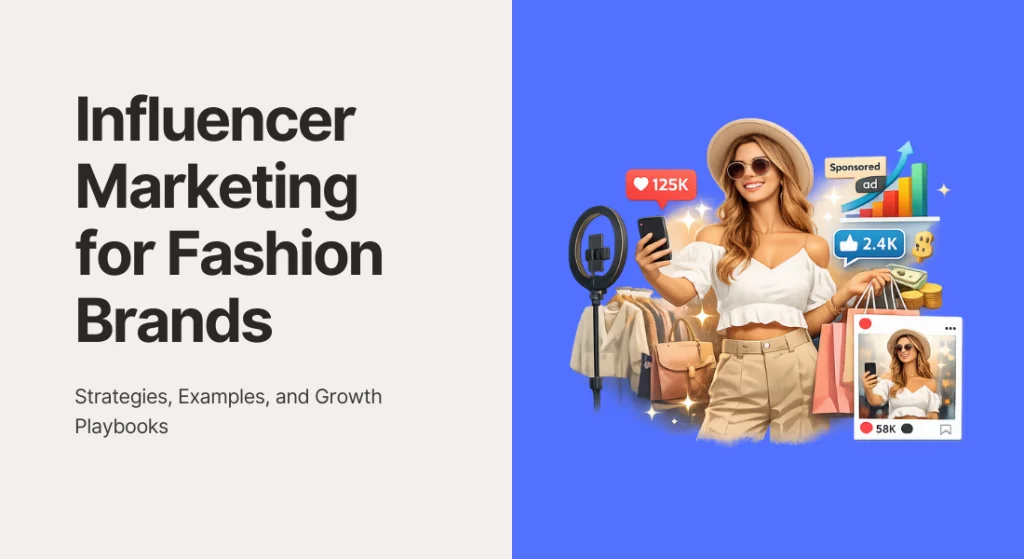
Fashion Influencer Marketing 2026: Tactical Strategies, Essential Tools, and Growth Opportunities for Modern Brands
The fashion industry stands at a pivotal moment in influencer marketing. With creator marketing budgets experiencing a 171% increase in 2025 and continuing to grow in 2026, fashion brands face both unprecedented opportunities and complex challenges in this evolving landscape. While traditional advertising channels continue to decline in effectiveness, authentic creator partnerships have become the cornerstone of modern fashion marketing strategies.
This comprehensive guide cuts through the noise to deliver tactical, trend-focused insights that fashion brands need right now—from emerging platforms and AI automation tools to common pitfalls and forward-looking opportunities that will define success in the years ahead.
The Current State of Fashion Influencer Marketing
Fashion influencer marketing has evolved far beyond simple sponsored posts and #ad hashtags. Today’s landscape is characterized by sophisticated campaign strategies, data-driven creator selection, and technology-powered automation that enables brands to scale partnerships without proportional increases in overhead.
The numbers tell a compelling story: Influencer marketing is projected to see a compound annual growth rate of 30.3% from 2021 to 2028. For fashion brands specifically, this growth is driven by shifting consumer behavior—Gen Z and Millennial shoppers increasingly discover, research, and purchase fashion products based on creator recommendations rather than traditional advertising.
Yet despite massive investment, many fashion brands struggle with fundamental challenges: finding authentic creators who align with brand values, managing complex workflows across hundreds of partnerships, tracking meaningful ROI metrics, and maintaining quality at scale. The brands winning in 2026 aren’t just spending more—they’re working smarter with AI-powered platforms that automate the heavy lifting while maintaining creative control.
Essential Tools Transforming Fashion Influencer Marketing
The technology stack powering fashion influencer campaigns has matured dramatically. Here are the essential tools and capabilities that separate high-performing fashion brands from those still managing campaigns manually:
AI-Powered Influencer Discovery
Gone are the days of scrolling endlessly through Instagram or paying for influencer databases with outdated information. Modern AI influencer discovery tools analyze real-time platform data to match campaign goals with the best-fit creators based on audience demographics, content style, engagement patterns, and past brand partnerships.
For fashion brands, this means finding niche creators who specialize in sustainable fashion, streetwear, luxury accessories, or specific aesthetic movements—without the manual research that once consumed entire teams. Advanced platforms like partnrUP use intelligent matching algorithms that consider not just follower counts but audience quality, content authenticity, and brand alignment to surface creators who will genuinely connect with your target customers.
Tactical Application: When launching a new collection, use AI discovery to identify creators in three tiers—macro influencers for reach, mid-tier creators for engagement, and micro-influencers for authentic niche penetration. This balanced approach maximizes both awareness and conversion.
Automated Recruitment and Outreach
The average creator response rate for cold outreach sits below 10% for most brands. Leading fashion companies achieve 40% higher response rates through automated influencer recruitment that personalizes at scale.
Modern recruitment tools craft individualized messages that reference a creator’s specific content, aesthetic, and audience—then follow up automatically based on engagement patterns. This eliminates the spreadsheet chaos while maintaining the personal touch that creators expect from premium fashion brands.
Tactical Application: Set up templated outreach sequences that adapt based on creator tier. Luxury fashion partnerships require white-glove communication, while product seeding for micro-influencers can be more streamlined. Smart automation handles both without requiring separate manual processes.
Comprehensive Campaign Management Platforms
Managing a fashion influencer campaign across dozens or hundreds of creators requires sophisticated campaign management infrastructure. The best platforms consolidate creator communication, content approval workflows, contract management, product fulfillment tracking, and payment processing into unified dashboards.
This operational backbone reduces coordination time by up to 70% while preventing common mistakes like missed deliverables, payment disputes, or brand guideline violations. For fashion brands running multiple seasonal collections or product launches simultaneously, this infrastructure becomes essential for maintaining quality and speed.
AI Creative Brief Generators
Every creator partnership needs clear direction, but writing detailed briefs for dozens of collaborations becomes a bottleneck. AI-powered brief generators create customized creative direction in seconds, incorporating brand guidelines, campaign objectives, key messages, visual references, and deliverable requirements.
For fashion campaigns, this technology ensures consistency across creator content while allowing flexibility for individual creative expression—the balance that drives authentic yet on-brand results.
Content Performance Analytics
Fashion brands need to understand what’s working in real-time, not weeks after campaigns conclude. Advanced content performance analytics track engagement, impressions, clicks, and conversions by post, creator, and campaign—providing actionable insights that inform future strategy.
The most sophisticated platforms also identify patterns across successful content, answering critical questions: Do styling videos outperform static photos? Which creator aesthetics drive the highest conversion rates? What posting times maximize reach for fashion content?
Retail Page Syndication
The gap between inspiration and purchase keeps narrowing. Retail page syndication tools automatically push high-performing creator content directly to product pages, turning authentic influencer posts into shoppable content that converts browsers into buyers.
For fashion brands on Shopify and other e-commerce platforms, this creates a seamless path from social discovery to checkout—capitalizing on the trust creators have built with their audiences.
The 7 Biggest Mistakes Fashion Brands Make in Influencer Marketing
Even with powerful tools available, many fashion brands undermine their influencer programs with avoidable mistakes. Here are the critical errors to eliminate:
1. Prioritizing Follower Count Over Audience Alignment
The most common mistake in fashion influencer marketing is selecting creators based primarily on follower numbers rather than audience quality and brand fit. A creator with 500K followers isn’t valuable if those followers don’t match your target customer profile or have low engagement rates.
The Fix: Use AI-powered discovery tools that prioritize audience demographics, engagement rates, content aesthetic, and brand alignment. A micro-influencer with 15K highly engaged fashion enthusiasts often delivers better ROI than a macro-influencer with 500K mixed followers.
2. Treating Creators as Billboards Instead of Partners
Fashion brands that dictate exactly what creators should post, how to pose, and what to say consistently underperform. This approach strips away the authentic voice that made the creator valuable in the first place, resulting in content that feels like obvious advertising.
The Fix: Provide clear brand guidelines and campaign objectives, but give creators creative freedom to translate your message in their authentic style. The best fashion campaigns cocreate with influencers rather than directing them like hired models.
3. Launching Without Clear Goals and Metrics
“Increase brand awareness” isn’t a goal—it’s a vague aspiration. Fashion brands that launch influencer campaigns without specific, measurable objectives inevitably struggle to assess performance and optimize strategy.
The Fix: Define precise goals before outreach begins. Are you driving product page visits? Building email list signups? Generating UGC for future campaigns? Achieving a specific conversion rate? Clear metrics enable smart optimization and demonstrate ROI to stakeholders.
4. Ignoring Long-Term Relationship Building
One-off sponsored posts generate short-term spikes but rarely build lasting brand affinity. Fashion brands that treat each campaign as transactional miss the compounding benefits of ongoing creator partnerships—deeper audience trust, authentic brand advocacy, and cost efficiency over time.
The Fix: Identify top-performing creators and convert them into long-term brand ambassadors with ongoing partnerships. These relationships become increasingly valuable as creators develop genuine attachment to your brand and their audiences associate them with your products.
5. Neglecting Legal and Compliance Requirements
Fashion influencer marketing operates in an increasingly regulated environment. Brands that fail to ensure proper FTC disclosure, secure usage rights for content, or maintain compliant contract terms expose themselves to legal risk and reputational damage.
The Fix: Use platforms with built-in contract management and compliance features. Ensure every creator partnership includes clear terms around content usage rights, disclosure requirements, exclusivity periods, and payment conditions. Don’t launch campaigns without proper legal infrastructure in place.
6. Poor Timing and Seasonal Planning
Fashion is inherently seasonal, yet many brands launch influencer campaigns with timing that misaligns with their target audience’s buying behavior. Promoting winter coats in March or swimwear in October wastes budget and frustrates creators.
The Fix: Build a comprehensive influencer marketing calendar that aligns with product launches, seasonal trends, and your audience’s shopping patterns. Start creator outreach 6-8 weeks before desired posting dates to accommodate negotiation, product shipping, content creation, and approval cycles.
7. Failing to Leverage User-Generated Content
Most fashion brands invest heavily in creator partnerships but fail to maximize the value of content produced. High-quality creator photos, videos, and reviews should fuel multiple marketing channels—not just appear once on social media and disappear.
The Fix: Implement content management systems that organize creator assets for repurposing across email campaigns, product pages, paid advertising, and retail syndication. Secure broad usage rights in initial contracts to enable this multi-channel approach.
Emerging Opportunities in Fashion Influencer Marketing
Forward-thinking fashion brands are capitalizing on several high-growth opportunities that will define competitive advantage in the coming years:
YouTube: The Underutilized Fashion Marketing Channel
While Instagram and TikTok dominate fashion influencer conversations, YouTube is quietly becoming the most credible channel for purchase decisions. Long-form content like styling videos, haul reviews, and seasonal lookbooks drive deeper engagement and higher conversion rates than quick social posts.
Fashion brands are expanding their AI recruitment to YouTube creators, recognizing that consumers increasingly use the platform as a search engine for fashion inspiration and product research. The average YouTube fashion video generates significantly higher watch time and more thorough product consideration than short-form content—translating to stronger purchase intent.
Tactical Opportunity: Partner with YouTube creators for comprehensive styling guides, seasonal wardrobe building content, and authentic product reviews. These evergreen videos continue generating value months after publication, unlike ephemeral Instagram Stories.
Shoppable Video Commerce
The future of fashion commerce eliminates friction between discovery and purchase. Shoppable video technology transforms creator content into interactive buying experiences where viewers can purchase products directly from videos without leaving the viewing experience.
Fashion brands implementing this technology see significant increases in conversion rates as they capture purchase intent at the moment of peak interest. The technology works across social platforms, e-commerce sites, and email campaigns—creating a unified commerce experience powered by trusted creator content.
Tactical Opportunity: Pilot shoppable video on your highest-traffic product pages and email campaigns. Test creator content against traditional product photography to quantify lift in conversion rates and average order value.
AI-Powered Performance Optimization
Artificial intelligence is moving beyond discovery and recruitment into campaign optimization. Advanced platforms analyze performance data across thousands of creator partnerships to identify success patterns and recommend strategy adjustments in real-time.
For fashion brands, this means understanding which visual aesthetics, content formats, posting times, and creator characteristics drive results for specific product categories—then systematically amplifying what works while phasing out underperformers.
Tactical Opportunity: Use platforms with built-in AI optimization to run systematic experiments. Test different creator tiers, content approaches, and campaign structures while AI identifies winning combinations faster than manual analysis could achieve.
Affiliate and Performance-Based Partnerships
Fashion brands are increasingly shifting budget from flat-fee creator payments to performance-based affiliate programs where creators earn commission on sales generated. This alignment of incentives ensures creators are motivated to drive actual conversions, not just create pretty content.
The most successful fashion brands combine guaranteed payments with affiliate upside, creating win-win partnerships where top performers earn significantly more while brands reduce risk on unproven creators.
Tactical Opportunity: Implement a tiered partnership structure—guaranteed payments for established relationships, hybrid models for promising creators, and pure affiliate terms for new partnerships. Track performance ruthlessly and graduate successful affiliates into guaranteed relationships.
Customer User-Generated Content Programs
Fashion brands are discovering that authentic customer-generated content often outperforms traditional influencer posts. Real customers wearing and reviewing products provide social proof that even paid creators can’t replicate.
Smart brands are building systematic programs to encourage, collect, license, and amplify customer content across marketing channels—creating a continuous stream of authentic material that builds trust and drives conversion.
Tactical Opportunity: Launch incentive programs that reward customers for posting about your products. Offer discount codes, early access to new collections, or feature opportunities in exchange for high-quality user-generated content you can license for broader use.
Micro and Nano-Influencer Communities
While mega-influencers command attention, fashion brands are achieving superior ROI through concentrated partnerships with micro-influencers (10K-50K followers) and nano-influencers (1K-10K followers). These creators maintain higher engagement rates, stronger audience trust, and lower partnership costs than celebrity influencers.
The key is volume—replacing one expensive macro-influencer campaign with 20-30 micro-influencer partnerships that collectively reach a larger, more engaged audience for the same budget.
Tactical Opportunity: Build a micro-influencer recruitment funnel using gifting campaigns to identify top performers before committing to paid partnerships. This low-risk approach uncovers hidden gems while building a pipeline of proven creators.
2026 Trend Predictions: What’s Next in Fashion Influencer Marketing
Based on current trajectory and early indicators, several major trends will reshape fashion influencer marketing in 2026 and beyond:
Creator-Led Fashion Brands Blur Traditional Lines
Successful fashion influencers are increasingly launching their own product lines, creating competition for established brands. Expect accelerating creator brand launches that leverage existing audience trust and social distribution advantages.
Brand Response: Partner with established creators before they launch competing lines. Long-term ambassador relationships and co-creation opportunities can align creator entrepreneurship with your brand rather than against it.
Regulation and Transparency Requirements Intensify
Government scrutiny of influencer marketing practices is increasing. Expect stricter disclosure requirements, more aggressive FTC enforcement, and potential platform-level changes that mandate clearer advertising labeling.
Brand Response: Get ahead of regulation with proactive compliance. Use platforms with built-in disclosure management, maintain detailed records of all partnerships, and over-communicate requirements to creators. Compliance should be table stakes, not an afterthought.
Virtual Influencers and AI-Generated Fashion Content
AI-generated influencers and digitally rendered fashion content are moving from novelty to viable marketing channel. While authenticity concerns remain, virtual influencers offer complete creative control and can appear in unlimited contexts without production limitations.
Brand Response: Experiment cautiously with AI-generated content while maintaining focus on authentic creator partnerships. The most successful approach likely combines both—using AI for certain content types while preserving human creators for trust-building and authenticity.
Social Commerce Integration Becomes Standard
Expect seamless in-app purchasing across all major social platforms, eliminating the friction between content discovery and transaction completion. Fashion brands will optimize for this environment with shoppable posts, livestream shopping events, and creator storefronts.
Brand Response: Build infrastructure now for social commerce integration. Ensure your product catalog is properly structured for social selling, implement real-time inventory tracking, and train creators on social selling best practices.
Long-Form Content Makes a Comeback
While short-form video dominated recent years, fashion consumers are increasingly seeking substantive content that helps them make informed purchase decisions. Expect growth in long-form YouTube videos, detailed blog posts, and comprehensive styling guides that provide genuine value beyond quick entertainment.
Brand Response: Diversify your creator portfolio beyond TikTok and Instagram Reels specialists. Invest in YouTube partnerships and blog collaborations that deliver educational, evergreen content that continues driving value long after publication.
Building Your Fashion Influencer Marketing Strategy for 2026
With trends, tools, and opportunities identified, here’s how to build an actionable strategy for your fashion brand:
Step 1: Audit Your Current State
Before optimization, understand your starting point. Evaluate existing creator partnerships, campaign performance metrics, operational workflows, and technology stack. Identify what’s working, what’s broken, and where the biggest improvement opportunities exist.
Step 2: Define Clear Objectives and Success Metrics
Establish specific, measurable goals for your influencer program. Don’t just aim for “brand awareness”—define exactly what success looks like in terms of website traffic, conversion rates, email signups, content production, or revenue generated. These metrics will guide every subsequent decision.
Step 3: Invest in the Right Technology Infrastructure
Manual influencer management doesn’t scale. Evaluate comprehensive platforms that handle discovery, recruitment, campaign management, content organization, performance tracking, and payment processing. The operational efficiency gained pays for platform costs many times over while enabling growth impossible through manual methods.
Step 4: Build a Diversified Creator Portfolio
Don’t concentrate risk in a handful of celebrity partnerships. Build a pyramid approach with a small number of high-reach macro-influencers, a larger group of engaged mid-tier creators, and a broad base of micro and nano-influencers. This diversification maximizes reach, engagement, and cost efficiency simultaneously.
Step 5: Develop Repeatable Processes and Playbooks
Document successful approaches into repeatable playbooks that enable consistency at scale. Create templates for outreach messages, campaign briefs, content guidelines, and creator agreements. This systematization allows team members to execute effectively while maintaining quality standards.
Step 6: Implement Continuous Optimization
Fashion influencer marketing requires constant refinement. Establish weekly or monthly review cadences where you analyze performance data, identify successful patterns, eliminate underperformers, and adjust strategy based on learnings. The brands that win are those that systematically improve over time.
Getting Started: Practical Next Steps
If you’re ready to modernize your fashion influencer marketing approach, here are immediate tactical steps:
For Startups: Focus on micro-influencer relationships and gifting campaigns to validate product-market fit before large budget commitments. Use AI-powered platforms to punch above your weight without hiring large teams.
For Mid-Market Brands: Systematize your existing creator relationships with proper management infrastructure, then scale systematically. Test new channels like YouTube and explore performance-based partnerships to improve ROI.
For Enterprise Fashion Brands: Implement enterprise influencer marketing solutions that enable coordination across departments, brands, and markets. Focus on data integration, compliance management, and strategic creator partnerships that deliver competitive advantage.
For Agencies: Use platform solutions built for agencies to manage multiple fashion brand clients efficiently, demonstrate clear ROI to clients, and differentiate your offering with advanced capabilities competitors lack.
The Bottom Line: Fashion Influencer Marketing as Competitive Advantage
Fashion influencer marketing in 2026 is no longer optional or experimental—it’s a core growth channel that requires strategic investment, proper infrastructure, and systematic execution. The brands that master creator partnerships will capture disproportionate market share while competitors struggle with outdated approaches.
The good news? The tools, platforms, and best practices needed for success are available now. The difference between winning and losing comes down to commitment—brands that invest in proper technology, eliminate common mistakes, and systematically optimize their approach will build sustainable competitive advantages that compound over time.
Whether you choose to build internal capabilities, leverage fully managed agency services, or adopt a hybrid approach, the critical step is starting now. The fashion influencer marketing landscape evolves rapidly, and early movers consistently outperform those who delay.
The future of fashion marketing is creator-driven, AI-powered, and results-focused. The question isn’t whether to participate—it’s whether you’ll lead or follow.
Ready to transform your fashion influencer marketing? Explore how partnrUP’s AI-powered platform helps fashion brands automate creator discovery, streamline campaign management, and drive measurable results without the operational overhead. From case studies showcasing real results to comprehensive platform features designed for modern fashion marketing, discover why leading brands trust partnrUP to power their creator partnerships.